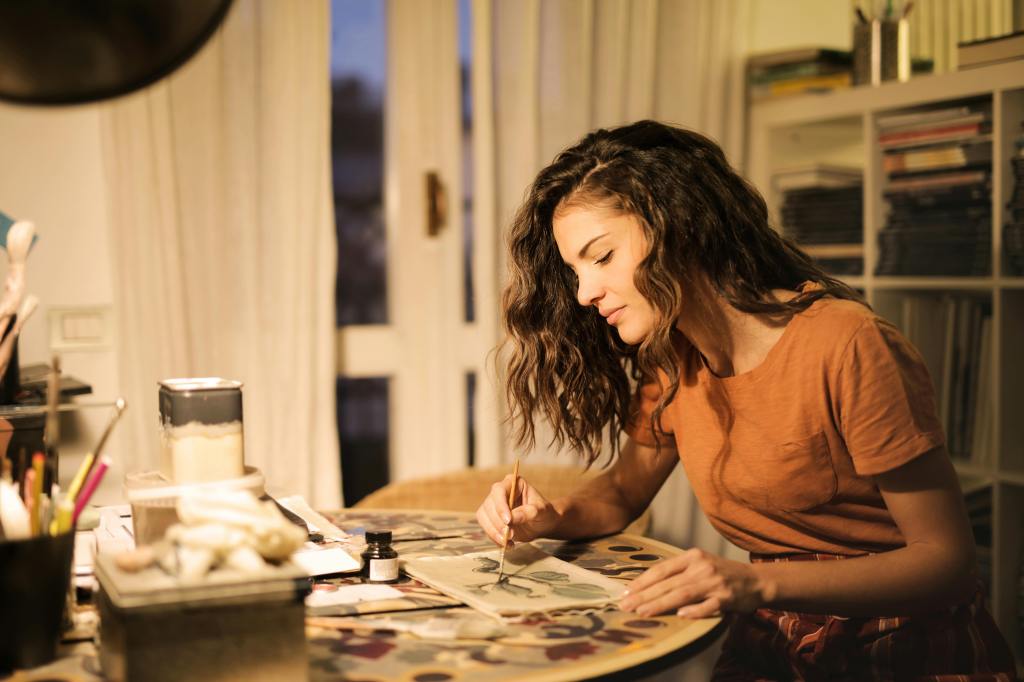
Living with a chronic illness can feel like an uphill battle of doctor’s appointments, fatigue, and days when even getting out of bed feels like a challenge. It’s easy to get caught up in the cycle of self-care, symptom management, and frustration over what your body won’t let you do. But amidst all of that, there’s something incredibly powerful about finding a hobby you love.
Hobbies aren’t just about passing the time; they can be a lifeline. They provide purpose, joy, and a sense of normalcy in a life that often feels unpredictable. Whether it’s painting, knitting, gardening, writing, or even birdwatching, having something to pour your energy into (when you have it) can do wonders for your mental health.
Let’s talk about why hobbies are such a game-changer when living with chronic illness and how they can help improve your overall well-being.
A Hobby Gives You a Sense of Control
One of the hardest parts of living with a chronic illness is the feeling that your body is calling all the shots. Symptoms can be unpredictable, and that lack of control can take a serious toll on your mental health.
A hobby, however, is something you choose. You decide what you want to do, when you want to do it, and how you want to approach it. Even on difficult days, you can modify your hobby to fit your energy levels—switching from an active hobby like gardening to something more gentle like sketching or reading. That sense of autonomy, even in a small way, can help you feel empowered in a life that often feels out of your hands.
Creative Expression Can Be Healing
If you’ve ever put pen to paper, painted a picture, or played an instrument, you know how freeing creative expression can be. Creativity allows you to process emotions, release frustration, and express what words sometimes cannot.
For many of us with chronic illness, there’s a lot of grief, anger, and sadness to work through. Art, music, writing, or even crafting can serve as an emotional outlet—a way to translate what you’re feeling into something tangible. Even if you don’t consider yourself an artist, just engaging in the creative process can be therapeutic.
A Hobby Provides an Escape
When your daily life revolves around managing symptoms, it’s easy to feel consumed by your illness. A hobby offers a much-needed break from the medical side of things.
It shifts your focus away from pain and fatigue and into something enjoyable. Whether it’s baking, learning a new language, or photography, your hobby can transport you into a different headspace—one where you’re not just a “sick person” but someone with passions and interests.
Even just 10 minutes of engaging in a hobby can give your mind a little vacation from the worries that come with chronic illness.
Reduces Stress and Anxiety
When you’re dealing with chronic illness, stress and anxiety often become unwelcome companions. The constant worry about symptoms, finances, and the future can be overwhelming.
Hobbies, especially those that require focus and repetition (like knitting, puzzles, or playing an instrument), have been shown to reduce stress levels. Engaging in a hobby you love can activate a relaxation response in your body, helping to lower cortisol (the stress hormone) and improve overall mental well-being.
Plus, hobbies that involve movement—like gentle yoga, swimming, or even walking while listening to an audiobook—can help release endorphins, which boost your mood and combat feelings of anxiety.
Connection and Community
Chronic illness can be isolating. You might miss out on social events, struggle to keep up with friends, or feel like no one really understands what you’re going through.
Finding a hobby you love can open doors to new connections. Online forums, hobby-specific Facebook groups, and local meetups can help you find others who share your interests. Whether you’re discussing books in a virtual book club or sharing your latest art project on Instagram, these small interactions can help you feel less alone.
Even if your hobby is something solo, like journaling or baking, it can still provide connection when you share your creations with friends or family.
Hobbies Can Help Rebuild Identity
When you live with a chronic illness, it’s easy to feel like your condition defines you. You go from being “someone who loves hiking” to “someone with chronic fatigue,” and that shift can be heartbreaking.
A hobby helps you reclaim parts of yourself that may have felt lost. You are not just your illness—you are a writer, an artist, a gardener, a musician, a lover of history, etc. Whatever brings you joy, no matter how small, is a reminder that you are so much more than your diagnosis.
Hobbies Can Adapt to Your Needs
One of the biggest worries about picking up a hobby while dealing with chronic illness is the fear of not being able to keep up with it. The good news? Hobbies are not a job—they are meant to bring joy, not stress.
If one hobby becomes too difficult, you can modify it or try something new. Love dancing but struggle with energy levels? Chair dancing or slow stretching to music might be a better fit. Passionate about hiking but can’t do long trails anymore? Try birdwatching or short nature walks instead.
There’s no right or wrong way to have a hobby—it’s all about what works for you.
It Gives You Something to Look Forward To
Chronic illness often means unpredictable days. Some are good, some are bad, and some are just plain frustrating. But having a hobby means there’s always something to look forward to, even on the rough days.
Maybe it’s a new book arriving in the mail, a knitting project you’re excited to finish, or a cookie recipe you want to try. These little moments of anticipation can make a huge difference in staying hopeful and engaged with life, even when things feel overwhelming.
Finding the Right Hobby for You
Not sure where to start? Here are some hobby ideas that work well for those with chronic illness:
- Low-energy hobbies: Reading, journaling, watercolor painting, puzzles, knitting, embroidery, calligraphy
- Creative hobbies: Writing, photography, painting, scrapbooking, candle-making
- Mindful hobbies: Meditation, gentle yoga, gardening, birdwatching, tarot or oracle cards
- Social hobbies: Online gaming, virtual book clubs, learning a language, etc.
The key is to find something that excites you without overwhelming you. There’s no pressure—just do what feels good and makes you happy.
My Go-To Hobbies for Life with Chronic Illness
Finding hobbies that fit into life with chronic illness has been a bit of an adventure—some things work one day but feel impossible the next. Over time, I’ve learned to embrace hobbies that meet me where I am, whether I have energy to burn or just need something low-key. Here are a few of my favorites that bring joy, creativity, and a little escape, no matter how I’m feeling.
Hiking (On the Good Days!)
When my body allows, getting outside for a hike is pure magic. Fresh air, sunshine, and a quiet trail do wonders for my mood. Some days, that means a gentle nature walk; other days, just sitting outside and soaking up the sun is enough. I’ve learned that every bit of time in nature counts, no matter how short.
Junk Journaling – Messy, Fun, and Zero Rules
Junk journaling is my go-to on lower-energy days. There’s something so satisfying about ripping up paper, layering textures, and creating just for the sake of creating. No pressure, no perfection—just a fun, expressive outlet that reminds me that beauty can come from the messy parts of life.
Reading – The Ultimate Escape
Some days, I don’t have the energy to do anything—except get lost in a book. Reading lets me escape the realities of chronic illness for a little while. And honestly, sometimes that’s exactly what I need.
Creative Writing – Turning Struggles into Stories
Writing has been a constant in my life, even on my hardest days. Whether I’m journaling my thoughts, writing poetry, or creating fictional worlds, putting words on paper helps me process everything. Some of my best writing has come from my toughest moments, proving that even pain can be turned into something meaningful.
Each of these hobbies serves a different purpose—some ground me, some distract me, and others help me express what I can’t always say out loud. No matter what kind of day I’m having, I know I have something to turn to, something that reminds me that I am so much more than my illness. And honestly? I really need to be reminded of that often.
Final Thoughts
Living with a chronic illness is tough, but finding a hobby you love can make it a little easier. It gives you purpose, joy, and a much-needed escape from the struggles of daily life. Whether it’s painting, baking, or collecting houseplants, your hobby is yours to enjoy on your own terms.
So go ahead—pick up that book, that paintbrush, that crochet hook. Find something that makes your soul happy, and let it remind you that even in the hardest times, joy is still possible. 💛






 Little Hope Notes
Leave a comment