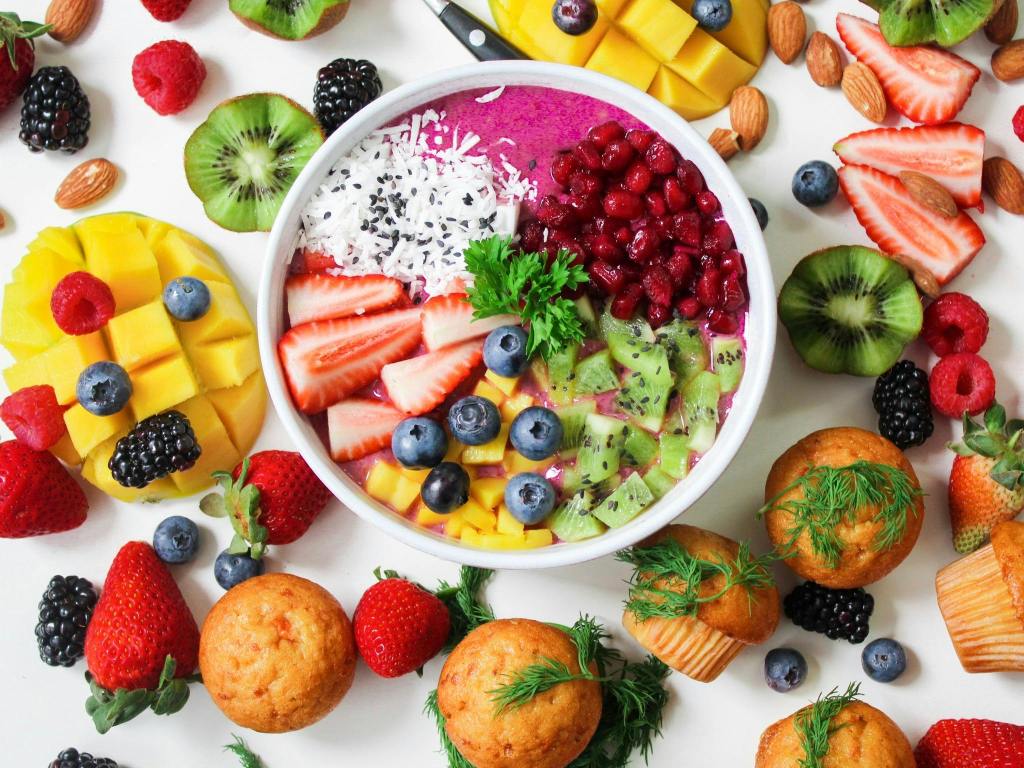
Living with endometriosis can feel like an uphill battle—one filled with unpredictable pain, fatigue, and a frustrating lack of clear solutions. If you’ve been down the rabbit hole of researching ways to manage your symptoms, you’ve probably come across recommendations for an anti-inflammatory diet. But does it actually help?
As someone living with endo, I’ve tried just about everything to ease the pain and discomfort that comes with this condition. While there’s no one-size-fits-all solution, I’ve found that making dietary changes—especially focusing on anti-inflammatory foods—has made a real difference in how I feel. Let’s dive into what endometriosis is, what an anti-inflammatory diet looks like, and how it may help ease symptoms.
Disclaimer: Hey there, friend! Just a quick reminder—I’m not a doctor, and this blog post isn’t medical advice (as much as I wish my Google searches made me a certified expert). Endometriosis is a complex condition, and everyone’s experience is different. If you suspect you have endo or are struggling with symptoms, please chat with a qualified healthcare provider. They have the tools, knowledge, and fancy medical degrees to give you the right guidance. This blog is all about sharing personal experiences and insights, not diagnosing or curing anything—so take what resonates, do your own research, and always prioritize your health. 💛
What is Endometriosis?
Endometriosis (often called endo) is a chronic condition where tissue similar to the lining of the uterus (the endometrium) grows outside of the uterus. This tissue can attach to organs like the ovaries, fallopian tubes, and even the intestines, causing inflammation, scarring, and intense pain.
Symptoms can vary from person to person, but some of the most common include:
- Severe pelvic pain, especially during periods
- Heavy or irregular periods
- Chronic fatigue
- Pain during or after sex
- Digestive issues like bloating, constipation, or diarrhea (hello, endo belly!)
- Infertility or difficulty conceiving
Since endometriosis is fueled by inflammation and hormonal imbalances, many experts believe that an anti-inflammatory diet can help reduce symptoms and improve overall well-being.
What is an Anti-Inflammatory Diet?
An anti-inflammatory diet is a way of eating that focuses on reducing inflammation in the body by choosing whole, nutrient-dense foods and avoiding those that contribute to chronic inflammation.
At its core, this diet emphasizes:
✅ Plenty of fruits and vegetables – Especially leafy greens, berries, and cruciferous veggies like broccoli and Brussels sprouts.
✅ Healthy fats – Think olive oil, avocado, nuts, and seeds.
✅ Omega-3-rich foods – Like salmon, flaxseeds, and walnuts.
✅ Lean proteins – Such as chicken, turkey, tofu, or plant-based options like lentils and chickpeas.
✅ Whole grains – Like quinoa, brown rice, and oats.
✅ Herbs and spices – Turmeric, ginger, garlic, and cinnamon all have powerful anti-inflammatory properties.
At the same time, it reduces or eliminates:
🚫 Processed and fried foods – These can trigger inflammation and digestive distress.
🚫 Refined sugars – Found in sodas, candies, and packaged snacks.
🚫 Dairy – Some people with endo find dairy worsens symptoms due to its inflammatory effects.
🚫 Gluten – While not everyone with endo is sensitive to gluten, some report symptom relief after cutting it out.
🚫 Excess caffeine and alcohol – Both can be inflammatory and disrupt hormone balance.
Now, does this mean you have to cut out everything and never enjoy your favorite foods again? Absolutely not. The key is finding balance and figuring out what makes your body feel good.
How Does an Anti-Inflammatory Diet Help with Endometriosis?
So, does eating this way actually help with endo symptoms? While an anti-inflammatory diet isn’t a cure, many people (myself included) have found that it can significantly reduce pain, bloating, and fatigue. Here’s how:
It Helps Reduce Chronic Inflammation
Since endometriosis is an inflammatory condition, it makes sense that reducing inflammation through diet could help manage symptoms. Foods rich in antioxidants and omega-3s (like berries, salmon, and flaxseeds) help calm the body’s inflammatory response, potentially leading to less pain and swelling.
It Supports Hormonal Balance
Endo is fueled by excess estrogen, so keeping hormones in check is crucial. Certain foods—like cruciferous vegetables (broccoli, cauliflower, Brussels sprouts)—contain compounds that help the body metabolize estrogen more efficiently. Plus, avoiding hormone-disrupting foods like processed meats and dairy may further support balance.
It Can Improve Gut Health
Ever noticed how your digestive system acts up when your endo flares? That’s because inflammation in the body often affects the gut, leading to issues like bloating, constipation, and food intolerances. Eating fiber-rich, whole foods can promote a healthier gut, reducing those dreaded digestive symptoms.
It Provides Steady Energy
Fatigue is one of the most frustrating parts of living with endo. A diet high in whole, unprocessed foods can help stabilize blood sugar levels and provide more sustained energy throughout the day—rather than the rollercoaster of highs and crashes that come from processed foods and sugar.
It May Reduce Painful Periods
Several studies suggest that omega-3 fatty acids (found in fish, flaxseeds, and walnuts) can reduce period pain. Since endometriosis pain tends to spike around menstruation, increasing anti-inflammatory fats may help make cycles more manageable.
My Personal Experience with an Anti-Inflammatory Diet
When I first heard about this way of eating, I was skeptical. Could changing my diet really make a difference in my endo symptoms? But after months of struggling with debilitating pain, bloating, and exhaustion, I figured I had nothing to lose.
I started slowly—adding more anti-inflammatory foods rather than focusing on what I “couldn’t” eat. I swapped processed snacks for nuts and fresh fruit, incorporated more leafy greens into my meals, and switched to anti-inflammatory spices like turmeric and ginger. Over time, I noticed small but meaningful changes:
✨ Less bloating (goodbye, painful endo belly!)
✨ More stable energy levels (no more afternoon crashes)
✨ Reduced pain intensity, especially around my cycle
That’s not to say diet is a miracle cure. I still have tough days, and I firmly believe in a multi-faceted approach to managing endo (including medical treatments, movement, and self-care).
Final Thoughts: Is an Anti-Inflammatory Diet Right for You?
If you’re struggling with endometriosis symptoms and wondering if dietary changes could help, my best advice is to try it your way. You don’t have to overhaul your entire diet overnight—small, sustainable changes can still make a big impact.
✨ Start by adding more nutrient-dense foods instead of focusing on restriction.
✨ Keep a food journal to track how certain foods affect your symptoms.
✨ Listen to your body—what works for one person may not work for another.
At the end of the day, managing endo is about finding what helps you feel your best. And if food can be part of that healing journey? Even better. 💛
Do you follow an anti-inflammatory diet for endo? Have you noticed any changes in your symptoms? I’d love to hear your experiences—drop a comment below!








 Little Hope Notes
Leave a comment